Hello, I am Dr. Han, the director of Rejume Clinic in Yeonsan, Busan, South Korea. I have been practicing aesthetic medicine since 2014, and I have directed Rejume Clinic since 2017.
Let me be completely transparent from the start: I am an aesthetic physician, not a board-certified dermatologist. My knowledge doesn’t just come from textbooks; it comes from thousands of hours in the treatment room, holding a syringe, and observing the unedited reality of how human skin responds to different compounds.
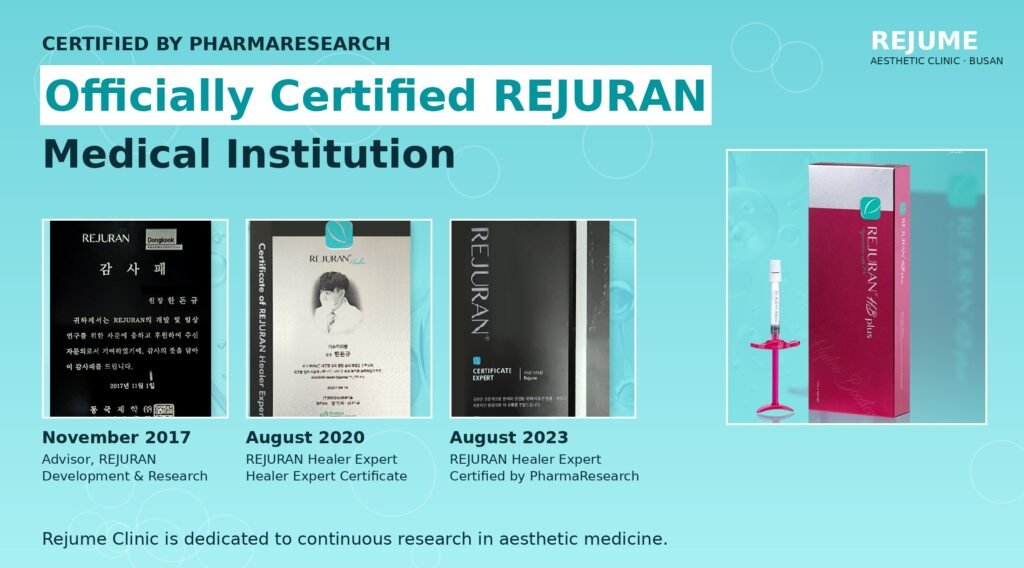
Today we focus on one treatment that has defined a large part of my clinical career: Rejuran Healer. I have served as an advisory physician for Rejuran (PharmaResearch) since 2017. I have seen its evolution, its surge in global popularity, and the many misconceptions around it. If you are flying to Korea for the famous “salmon DNA” injection — or simply researching how to genuinely repair a damaged skin barrier — this is the unfiltered clinical guide you need.
Quick answer: Rejuran is an injectable skin-regeneration treatment, not a filler. Injected by hand over a course of about 3 sessions, it gradually improves texture, elasticity, fine lines and barrier health. In Korea, Rejuran Healer 2cc typically costs ₩250,000–₩400,000 (about $180–$300) per session. It is approved in Korea and Europe, but the injectable is not FDA-approved in the United States.
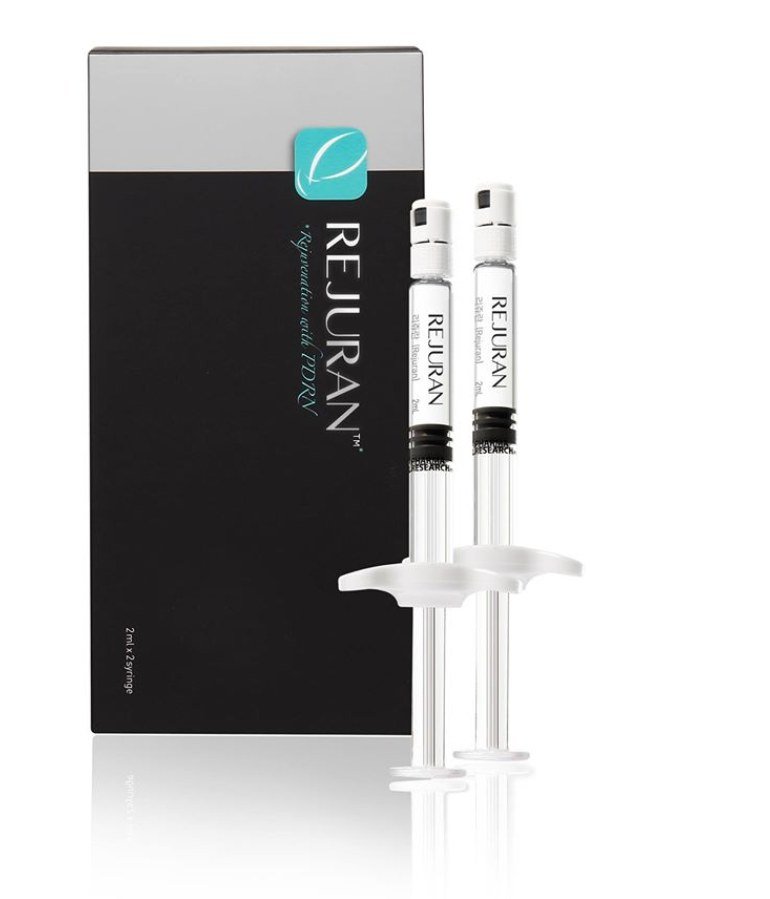
What Is Rejuran? The Science of Polynucleotides (Salmon DNA)
Internationally, Rejuran is casually called the “salmon DNA facial.” Catchy — but it oversimplifies the heavy lifting this product actually does.
The core ingredient in Rejuran Healer is polynucleotide (PN), extracted and highly purified from salmon DNA. Its base sequence is remarkably similar to human DNA, which minimizes immune reactions. You will also see the term PDRN: the two are cousins, not twins. PDRN refers to shorter DNA fragments; Rejuran’s PN is a longer-chain, gel-like form that stays in the skin longer and provides a mild scaffolding effect. Most Korean doctors consider PN the more advanced generation of the same idea.
Unlike hyaluronic acid fillers that physically occupy space to create immediate volume, PN is a biological stimulator. In the dermal layer, its long chains act as a temporary scaffold, and — more importantly — they bind to adenosine A2A receptors that wake up your fibroblasts, the factories producing new collagen, elastin and extracellular matrix. PN also supports microcirculation and helps calm chronic, low-grade inflammation, which is one reason I often reach for it in red, reactive skin that flares with stronger treatments.
In my clinic, I don’t use Rejuran to “fill” a wrinkle. I use it to rebuild a thinned, exhausted or aging dermis from the inside out — and that process, honestly, takes time.
Which Rejuran Do I Need? Healer, HB, I and S Explained
- Rejuran Healer — the flagship full-face product (2cc): texture, elasticity, fine lines, overall skin quality.
- Rejuran HB — Healer plus hyaluronic acid and lidocaine: more hydration, less injection discomfort.
- Rejuran I — a lighter formulation for the thin skin around the eyes.
- Rejuran S — a denser formulation for depressed acne scars, usually combined with subcision or laser.
Choosing among them is a diagnosis question, not a menu preference. Thin, damaged skin and thick, scarred skin should not receive the same product.
Why Technique Matters: Manual Injection vs. Injector Guns
This is perhaps the most critical section of this guide. Rejuran’s success depends heavily on how it is delivered.
Rejuran is highly viscous — a thick, gel-like substance — and injecting it is notoriously uncomfortable. To bypass the pain and save time, many clinics use automated meso-guns or multi-needle injectors. These devices are fast, but they come with a real drawback: product leakage and imprecise depth control.
When a patient sits in my chair, I inject manually — the “doctor’s hand technique.” The dermal layer is not uniformly thick: the skin under your eyes is vastly different from your cheeks or forehead. By hand, I can feel the resistance of the tissue and deposit the PN precisely into the papillary dermis, the superficial layer where it is most biologically active.
Yes, manual injection takes more time, and it asks more of the patient’s pain tolerance, even with strong numbing cream. But wasting a premium regenerative substance by injecting it too deep — or losing it to mechanical leakage — is not a compromise I am willing to make. When patients ask why the same 2cc looks different from clinic to clinic, technique is usually the answer.
[PHOTO 2 — Manual injection treatment scene (to be added)]
Does Rejuran Hurt? The Embossing Effect, Pain and Downtime
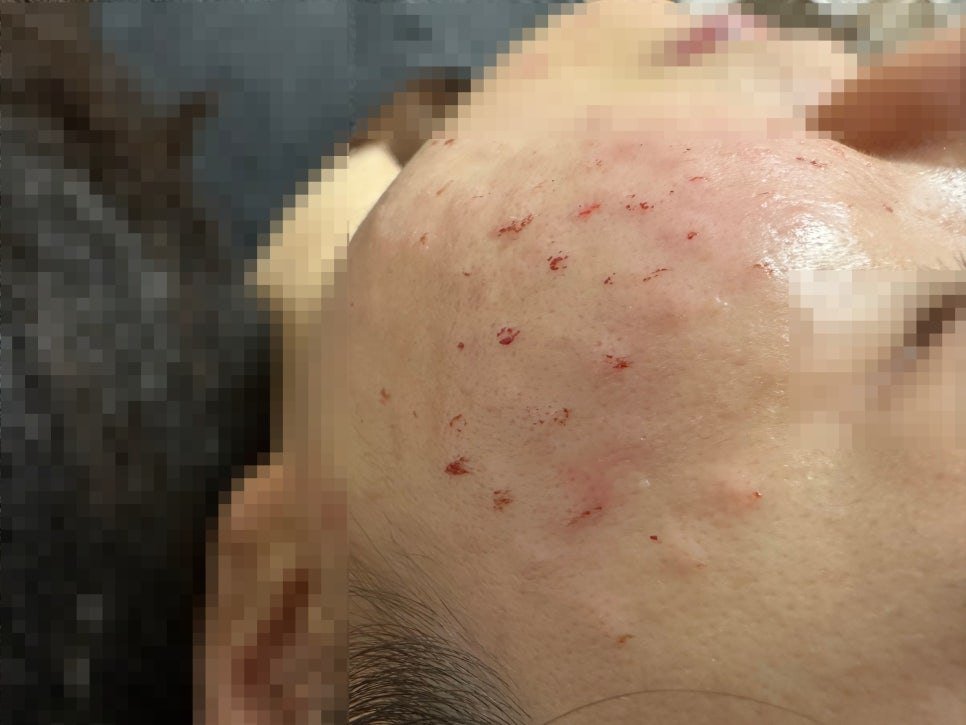
If you undergo a proper Rejuran Healer treatment, you will walk out looking like you have mosquito bites all over your face. We call this the embossing effect.
Because the thick PN gel is placed very superficially, it temporarily pools in tiny bumps. Many international patients panic — but I consider a prominent, uniform embossing pattern the hallmark of a correctly executed session. The bumps typically subside within 12 to 48 hours as the polynucleotides integrate into the surrounding tissue.
During this window:
- Do not massage or press the bumps — let the skin integrate the product naturally
- Avoid harsh actives (retinol, high-concentration vitamin C) for a few days
- Avoid saunas, alcohol, intense exercise and heat for 1–2 days
- Makeup is usually fine from the next day; pinpoint bruising can take up to a week
Who Is Rejuran For? (And Who Should Skip It)
Over the years, three patient types see the most dramatic change in my practice:
- The damaged barrier — skin that has been over-exfoliated, over-lasered or chronically inflamed and cannot hold moisture. Rejuran repairs the structure so the skin stops “leaking” hydration.
- Early aging and thinning skin — late 20s to 40s, skin turning paper-thin and losing its bounce. Rejuran thickens the dermis, providing a firmer foundation.
- Oil-water imbalance — oily on the outside, severely dry inside. As the cellular environment normalizes, many of these patients find their skin settles into a noticeably better balance.
And who should skip it, honestly:
- Anyone wanting an overnight lift or instant volume — that is a lifting device or filler, not Rejuran
- Deep wrinkles driven by volume loss
- A known salmon/fish allergy — the DNA is highly purified, but discuss it with your doctor first
- Pregnancy or breastfeeding, or skin with an active infection
How Many Rejuran Sessions Do You Need?
My standard protocol for Rejuran Healer:
- 3 sessions, spaced 3–4 weeks apart — the course that produces the visible change in texture and elasticity
- Maintenance every 6–12 months, depending on age and skin condition
You will typically start noticing the “glass skin” clarity and improved texture about 2 to 4 weeks after a session, as newly stimulated collagen matures. A completed course usually holds for around 6–12 months before maintenance.
How Much Does Rejuran Cost? Korea vs. US Prices
In Korea, Rejuran Healer 2cc generally costs ₩250,000–₩400,000 per session (about $180–$300). Seoul’s Gangnam clinics tend toward the top of that range; regional cities like Busan are often more moderate. If a price looks far below this band, ask exactly which product — and how many cc — you are actually getting.
In the United States, the comparison is not really about price: injectable Rejuran is not FDA-approved, so US clinics cannot legally offer the same injection. What is marketed there as a “salmon DNA facial” is usually a topical PN/PDRN serum applied after microneedling — a different delivery with a weaker effect, typically $500–$1,200 per session. That gap is exactly why so many American patients schedule Rejuran during a Korea trip.
Why Some Patients Choose Busan Over Seoul
Most international patients default to Seoul’s Gangnam district — but a growing number have their treatments in Busan, Korea’s second city, and there are practical reasons. The same genuine products and devices are used here, clinic schedules are less rushed, and prices for identical treatments are often more moderate than in Gangnam. Busan also has its own international airport (Gimhae) and is a coastal city many visitors want to see anyway.
My clinic, Rejume Clinic, is in Yeonsan, central Busan — about a minute’s walk from Yeonsan Station (Exit 7). If you are planning a Korea trip around skin treatments, Busan is worth pricing out before you book anything in Seoul.
Is Rejuran FDA-Approved in the US?
No. Rejuran is approved by South Korea’s MFDS and carries CE marking in Europe, but it has not received FDA approval for injection in the United States. That does not automatically make it unsafe — it has more than a decade of routine clinical use in Korea — but it does mean you should have it where it is regulated and commonplace: by an experienced physician, with a genuine, sealed product opened in front of you.
Side effects and honest limitations
Common and temporary: the embossing bumps (1–3 days), redness, mild swelling, small bruises. Uncommon: infection or allergic reaction — the standard risks of any injectable, minimized by sterile technique and genuine product.
The limitations, because no treatment guide should skip them: the clinical evidence for polynucleotides is promising but still younger and smaller than for established fillers. I use Rejuran because I see the results in follow-up photos and skin analysis — but it is not magic, it will not reverse deep sagging, and it does not replace lost volume or lift tissue.
Rejuran vs. Juvelook vs. Skinvive: Quick Comparison
| Product | Technology | Best for | Typical course |
|---|---|---|---|
| Rejuran Healer | Polynucleotide (PN) | Repair, texture, thin/damaged skin | 3 sessions |
| Juvelook | PDLLA + HA | Texture, pores, gradual firmness | 3 sessions |
| Skinvive | Hyaluronic acid | Hydration, surface glow | 1 session |
| Profhilo | Hyaluronic acid | Hydration, mild laxity | 2 sessions |
I will cover Juvelook in depth in a separate guide — it is the other booster I reach for most.
FAQ
Does Rejuran hurt? Honestly, it stings more than most boosters — the product is viscous and placed superficially. With proper numbing (and with HB, which contains lidocaine) most patients find it bearable. The injection itself takes about 10–20 minutes.
Why do I have bumps all over my face afterward? That is the embossing effect: the PN gel sitting in the superficial dermis, exactly where it should be. It usually flattens within 12–48 hours. Don’t massage it.
Is Rejuran a filler? No. It adds no structural volume. It improves the quality of the skin itself — texture, elasticity, hydration, barrier strength.
Can I get Rejuran in the US? Not as an injection — it is not FDA-approved there. US “salmon DNA facials” are topical treatments applied after microneedling, which is not the same procedure.
How much does Rejuran cost in Korea? Typically ₩250,000–₩400,000 (about $180–$300) for a 2cc Healer session, with a course of 3 sessions recommended.
Who should not get Rejuran? Anyone with a fish/salmon allergy should discuss it with a doctor first. It is also not performed during pregnancy or breastfeeding, or on actively infected skin.
The bottom line
Skin regeneration is an objective medical process. It requires high-quality polynucleotides, precise anatomical placement, and the patience to let your own cells do the work. If your goal is stronger, thicker, calmer skin and you can commit to 3 sessions, Rejuran is one of the most rational treatments I offer — and if you are choosing where to have it, prioritize the operator’s experience with manual injection over everything else.
This article is general information, not medical advice. Treatment availability and approval status differ by country. Read our Medical Disclaimer.
Visiting Korea? Rejume Clinic is located in Yeonsan, Busan (1 minute from Yeonsan Station, Exit 7). See the clinic’s English page for directions and hours.
About the author: Dr. Don-gyu Han is an aesthetic physician and the representative director of Rejume Clinic in Busan, South Korea (since 2017), practicing aesthetic medicine since 2014, and an advisory physician for Rejuran Healer (PharmaResearch) since 2017. More about Dr. Han. Follow Dr. Han on Instagram: @dr_seomsehan.